

Mineral Processing and Mining Geotechnics Laboratory
Head of the Laboratory - Nika Bochorishvili, PhD
The Mineral Processing and Mining Geotechnics Laboratory is structurally a part of the Underground Structures Construction and Mining Technologies Center.
MAIN SCIENTIFIC DIRECTIONS:
- Engineering and geomechanical problems of designing and constructing underground structures;
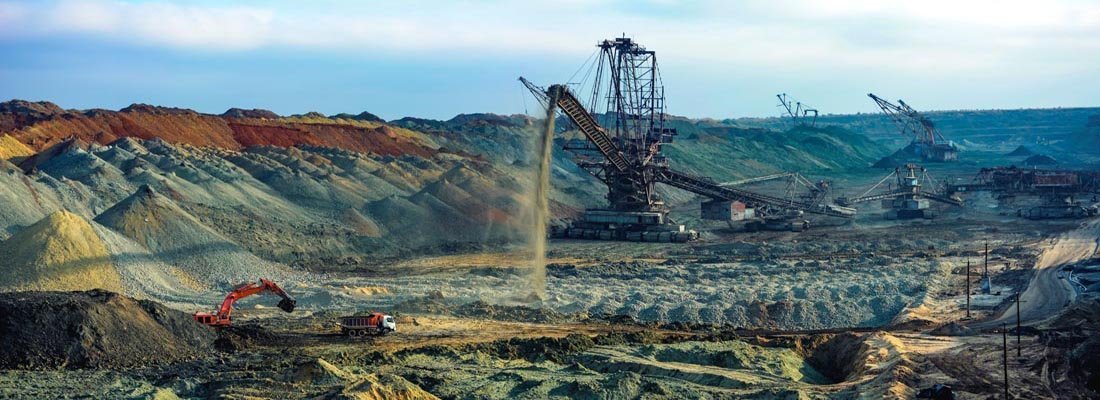
- Improving of mineral deposit processing systems and technologies;
- Problems of exploitation and use of natural and artificial underground spaces
- Geomechanical problems of stability of natural and technogenic landslide-prone slopes;
- Research on underground coal gasification technologies;
- Environmental protection, labor, and engineering-technical safety issues in the mining industry.
MATERIAL-TECHNICAL BASE:
|
|
 |
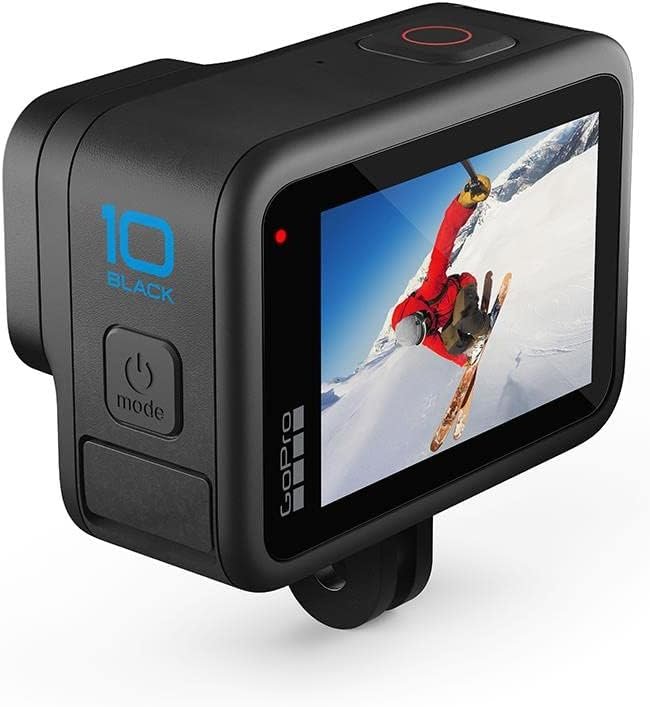 |
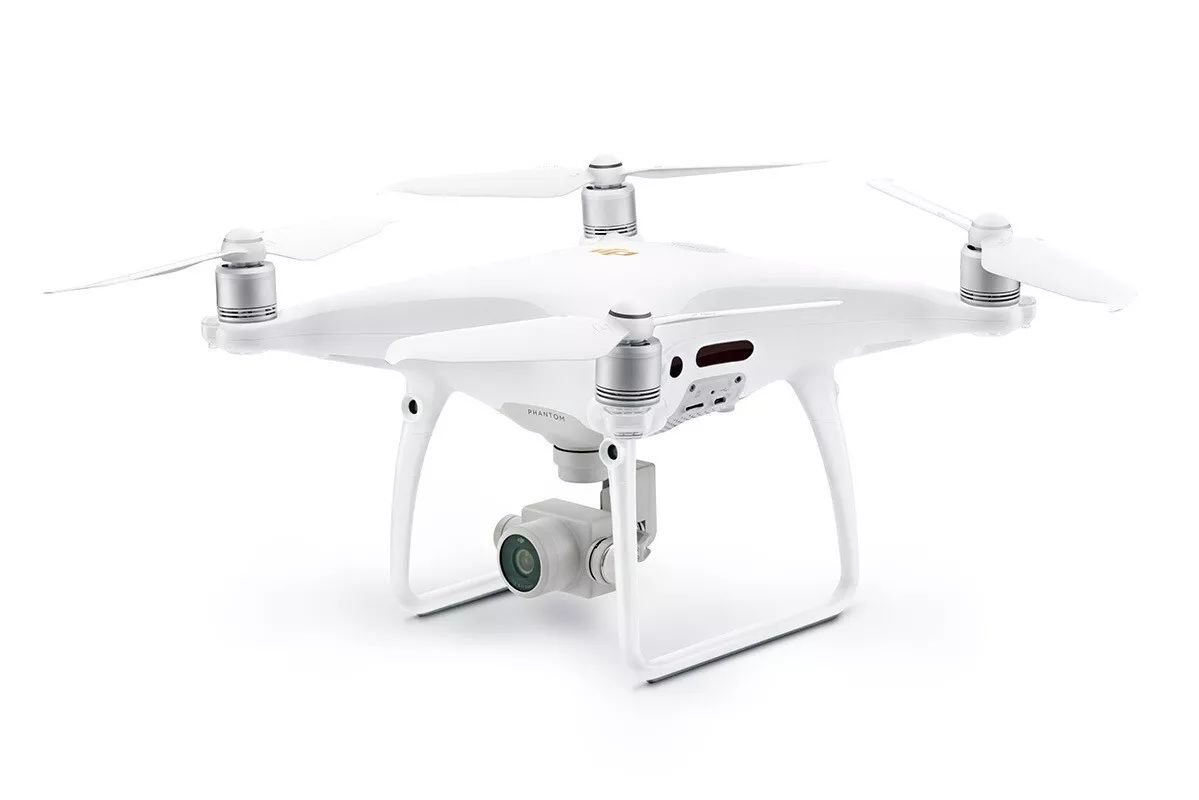
| DJI Mavic 2 Pro | DJI Phantom 4 | GoPro 10 |

 |
 |
 |
 |
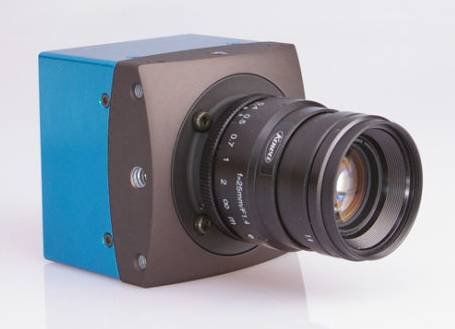 |
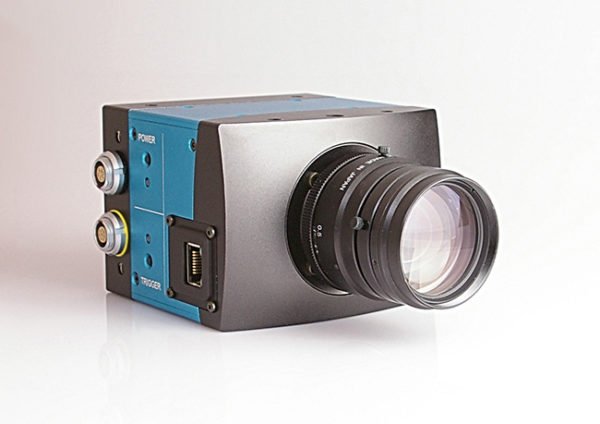
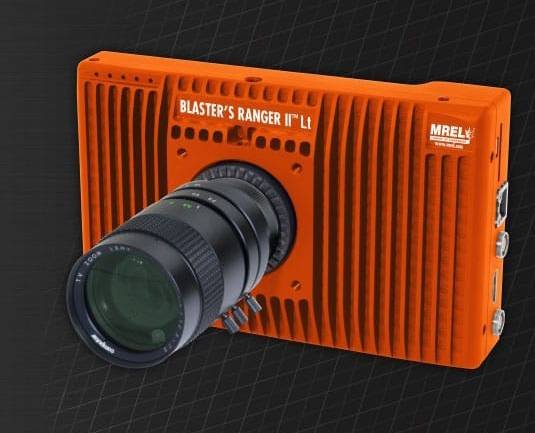
| MotionBLITZ Cube 7 | Blaster’s Ranger | MotionBLITZ mini2 |
SCIENTIFIC GRANT PROJECTS:
- №216968 "Prevention methods development against aerosol terrorism for ventilation of Tbilisi subway“ (30.11.2016-29.11.2018). Donor: Shota Rustaveli National Since Foundation (SRNSF).
WHAT DO WE OFFER?:
- Calculation and design of underground structures for mining, transportation, hydrotechnical purposes, utilities, defense, and other applications under static and dynamic loads;
- Preparation of mineral deposit development projects;
- Preparation of investment projects for the rehabilitation of mining enterprises;
- Preparation of projects for protecting and reclaiming surfaces and infrastructure facilities from the impact of mining operations;
- Calculation of the stability of landslide-prone slopes and means of ensuring it;
- Calculation of the static and dynamic loads of natural underground spaces (caves) and justification of their usability as tourist and recreational infrastructure;
- Registration of seismic waves caused by explosions and determination of their impact on buildings and structures;
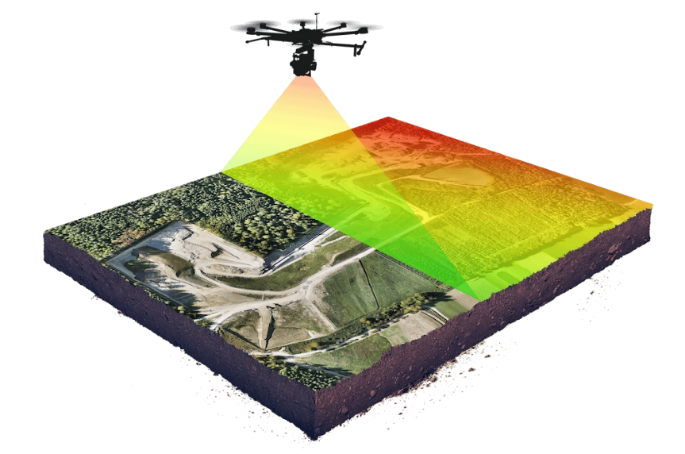
- 3D photogrammetry and planning of underground spaces and surfaces.


